Professional vs. Fake Licenses: What You Need to Know
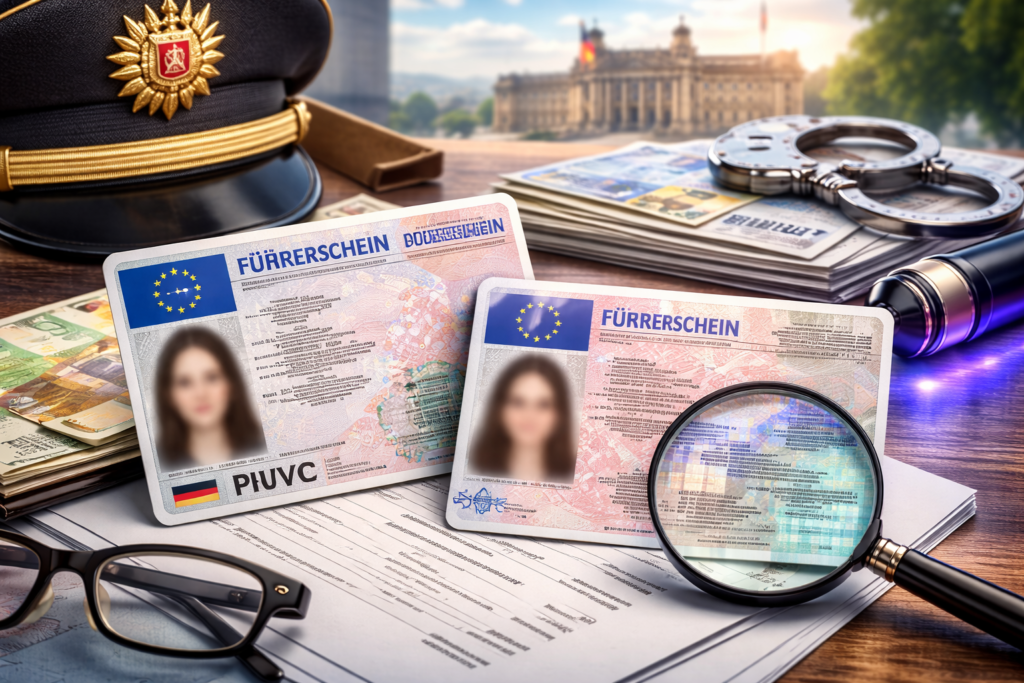
Professional vs. Fake Licenses: What You Need to Know
In today’s fast-paced world, a valid driver’s license is more than just permission to drive- it’s essential for jobs, travel, rentals, and daily life in Germany. But with sophisticated forgeries flooding online markets, distinguishing a professional driver’s license issued by authorities from a fake license can mean avoiding severe fines, driving bans, or even criminal charges. This guide breaks down the key differences, spot fake IDs with proven methods, and explains German regulations to keep you safe and compliant.
Why Understanding Licenses Matters in Germany
Germany enforces some of Europe’s strictest driving laws, where using or even possessing a fake license counts as a criminal offense under the StGB (German Criminal Code). Foreign drivers must know that licenses are valid for the first six months after registering residency, but extended stays require a German equivalent. Recent reforms, like the 2026 shift to digital Fahreignungsregister (FAER), make verification faster and loopholes harder to exploit- no more dodging bans by swapping physical cards.
Real licenses come from official Führerscheinstellen after rigorous tests, medical checks, and fees around €3400–€4500. Fakes, often sold via shady sites promising “quick online Führerscheins,” skip all that but promise trouble. Common users include tourists dodging rules or locals evading bans, but authorities catch up via digital checks.
Key stats to know:
- Speeding fines start at €20 but escalate to €680+ with bans for severe cases.
- Driving bans apply even to tourists; re-entering during one triggers “driving without a license” charges up to one year in prison.
- Alcohol limits: 0.0 mg/ml for under-21s or new drivers; 1.1 mg/ml+ is criminal.
Armed with this, you’ll spot risks early and protect yourself- whether verifying a tenant’s ID or checking your own documents on fuhrerscheinonline.com.
What Makes a Professional German Driver’s License Legitimate?
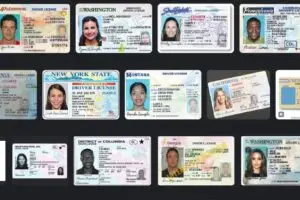
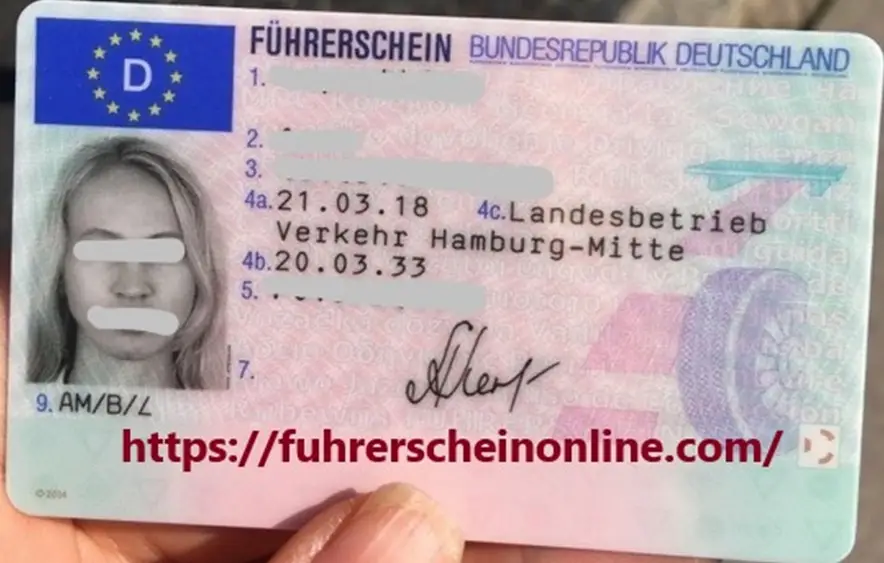
A professional license (echter Führerschein) is issued by state-approved authorities like the Straßenverkehrsamt. It features high-security elements impossible for amateurs to replicate perfectly. Here’s what defines authenticity:
- Official issuance process: Requires theory/practical exams, eye tests, and biometrics. EU/EEA licenses align via mutual recognition, but non-EU ones need translation or exchange after six months.
- Physical security features:
- Crisp, high-resolution printing with uniform fonts and microtext.
- Holograms, UV-reactive inks, and laser perforations visible under blacklight.
- Embedded chips for digital scans, especially post-2026 FAER integration.
- Digital backbone: From 2026, bans and status live in FAER- police check instantly, no physical marks needed.
Compare this to fakes: Modern ones mimic holograms via “fraud-as-a-service” kits, but flaws persist. Professional licenses also match holder details perfectly- height, eye color, birthdate aligning with appearance.
| Feature | Professional License | Common Fake Traits |
|---|---|---|
| Printing Quality | Sharp, pixel-free | Blurry edges, pixelation |
| Fonts/Spacing | Uniform, state-standard | Inconsistent, misaligned |
| Lamination | Smooth, no bubbles | Peeling, rough edges |
| Dates/Info | Logical (e.g., age matches photo) | Expired/altered illogically |
| UV/Backlight | State-specific patterns (e.g., secondary image) | Fuzzy or absent |
Use this table during checks: Hold IDs to light, scan under UV, and cross-reference details.
Common Signs of Fake Licenses and How to Spot Them
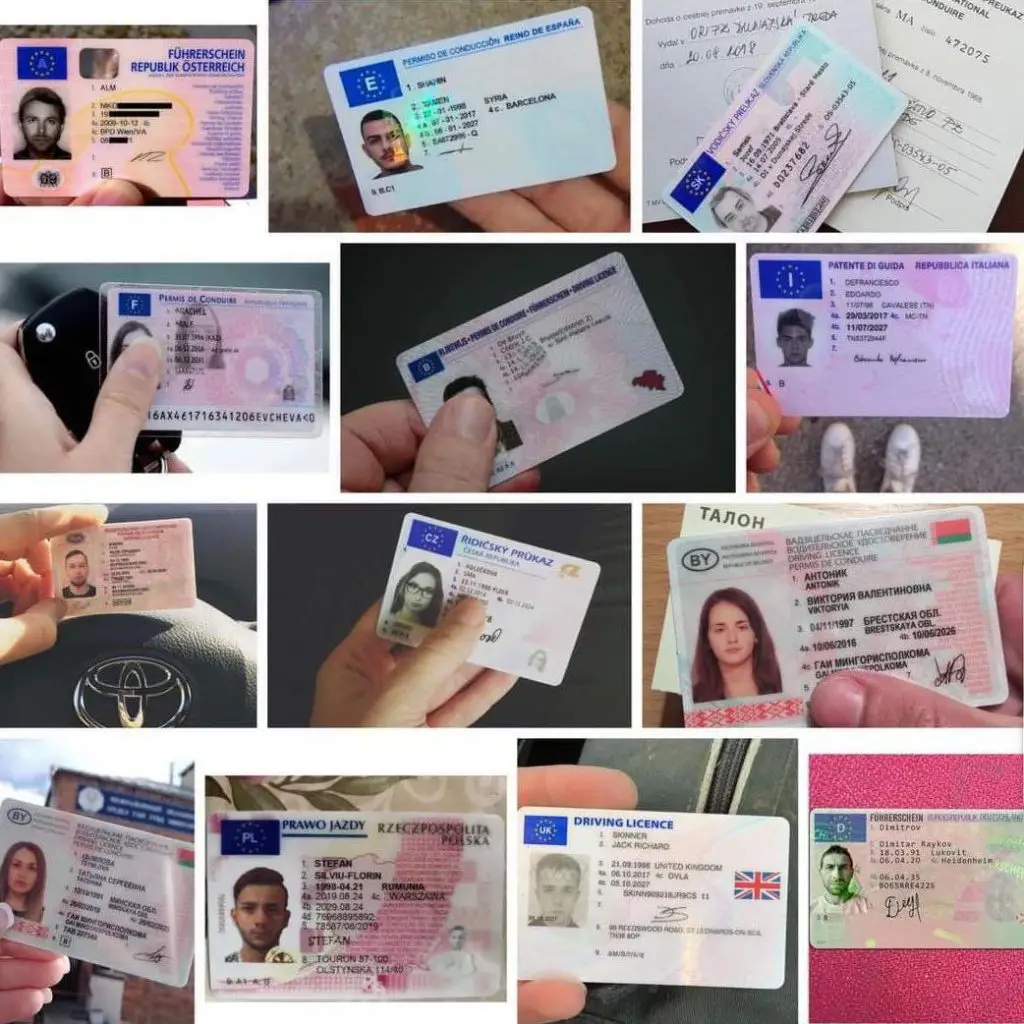
Fake licenses (gefälschte Führerscheine) range from crude photocopies to pro-level forgeries with barcodes. Spot them by focusing on these red flags, backed by expert guides from notaries and verifiers.
Visual and Tactile Giveaways
- Blurry printing or odd fonts: Genuine IDs use precision equipment; fakes show fuzzy text or spacing errors.
- Lamination problems: Bubbles, peeling, or mismatched edges from tampering.
- Inconsistent details: Spelling errors (e.g., “Deutschland” misspelled), suspicious addresses like PO boxes, or mismatched heights/photos.
- Backlight tests: No fine-line patterns, ghost images, or perforations.
Behavioral and Contextual Clues
Applicants with fakes often hesitate, avoid extra ID, or act defensive. Cross-check against applications- name/DOB mismatches scream fraud.
Advanced Forgery Types
- Altered IDs: Real base with swapped photos/dates via heat-laminate removal.
- Fully forged: Digital prints mimicking holograms but failing UV.
- Digital fakes: Scannable but glitch on official readers.
Pro tip: For tenants or hires, document issues neutrally- e.g., “Photo quality inconsistent”- and use tools for confirmation.
German Driving Laws: Penalties for Fakes and Violations
Germany’s StVO and Bußgeldkatalog outline harsh penalties. Driving with a fake? Expect fines €500–€1500, points, and bans- foreign licenses get revoked too.
- Temporary bans: Block driving in Germany; ignoring leads to criminal charges.
- Permanent bans: No new license during retention period.
- Speeding examples (2025/2026 fines):
| In Town (Over Limit) | Fine | Points | Ban |
|---|---|---|---|
| 21-25 km/h | €80 | 1 | – |
| 51-60 km/h | €280 | 2 | 2 months |
| >70 km/h | €680 | 2 | 3 months |
Parking violations hit €20–€100, escalating with obstruction. Drugs/alcohol amplify: 0.0 limit for novices, bans for positives.
2026 reforms tighten this: FAER logs offenses instantly for EU drivers, ending physical swaps. Tourists aren’t exempt- even short stays trigger bans enforceable on return.
Changes Coming in 2026: Digital Verification Revolution
Germany’s Bundestag approved FAER overhaul in late 2025, effective early 2026. No more ban stamps on foreign licenses- instead, digital logs police access on-site.
Impacts:
- Faster checks for international drivers.
- Single EU license for transport.
- Digital docs for roadside stops.
- Lower acquisition costs via streamlined processes.
This kills fake loopholes: Can’t “replace” a banned foreign license easily. Carriers from Eastern Europe face immediate logging of German offenses.
How to Verify Licenses Like a Pro
Manual checks work, but pair with tech:
- Cross-reference: Match ID to person, apps, credit reports.
- UV/Backlight: Check state patterns (adapt for German polycarbonate cards).
- Digital tools: Apps scan chips; official sites confirm status.
- Professional help: Consult fuhrerscheinonline.com for guidance on exchanges or authenticity.
Avoid accusations- document and report per policy. For notaries/landlords, consistent screening ensures compliance.
Real-World Examples from Forums and Cases
Reddit/Quora threads buzz with tales: A tourist got a €1000 fine for a “novelty” fake used for car rental. Another evaded a ban via new foreign license- until 2026 rules hit. Common query: “Is my foreign Führerschein valid?” Answer: Six months max, then exchange.
Pro users share: Always check expiration against residency- mismatches flag fakes.
FAQs: Answering Your Top Questions
How long is a foreign license valid in Germany?
First six months post-residency; then exchange required.
Can I drive on Autobahn with a fake?
No- unlimited speed recommended 130 km/h, but fakes mean instant bust.
What if my ID has wear?
Normal; fakes show tampering bubbles.
Tourist ban workaround?
None- enforceable on re-entry.
2026 changes for me?
Digital bans apply universally; get compliant early.
Mastering professional vs. fake licenses safeguards your freedom on German roads. Stay informed, verify diligently, and explore legit options at fuhrerscheinonline.com to ensure your driving future is secure- drive smart, stay legal.